How to Stop Cats From Spraying Indoors (Especially in Multi-Cat Homes)
How to tell spraying from peeing, why cats mark indoors, and the steps that help: neutering, enzyme cleaning, blocking outdoor cats and easing tension between cats.
Last updated October 18, 2026. Reviewed and fact-checked by the Practical Eco Pet team.
On this page
A cat backing up to the wall, tail held high and quivering, then leaving a strong-smelling streak on the door frame: that's spraying, and it's one of the hardest habits to live with. It's also different from a cat peeing on the floor, and it needs a different approach.
This guide explains how to recognize spraying, why cats do it (especially in multi-cat homes), and the practical steps that help, from neutering to cleaning to easing tension between cats.
Quick answer: confirm it's spraying (small amounts on vertical surfaces, cat standing with tail up) and rule out medical problems with your vet. Neuter or spay any intact cat, clean every marked spot with an enzymatic cleaner, block views of outdoor cats, and reduce competition between your cats by spreading out litter boxes, food, water, perches and scratching posts. If it continues, ask your vet about behavior medication or a referral.
What is cat spraying?
Spraying is urine marking: a way for cats to leave a scent message. It isn't a toilet problem. Cornell's Feline Health Center describes the classic posture: the cat stands, lifts its tail and quivers, and sprays a small amount of urine, usually onto a vertical surface.
The ASPCA's guide to urine marking adds that marks are smaller in volume than a normal pee, smell especially pungent, and that cats who mark usually keep using the litter box too. So urine in the box doesn't rule out marking.
Spraying vs. peeing outside the box
The fix depends on which problem you have. This comparison draws on the Merck Veterinary Manual's table and the sources above.
| Clue | Spraying (marking) | Peeing outside the box |
|---|---|---|
| Surface | Mostly vertical: walls, doors, furniture, windows | Mostly horizontal: floor, rugs, bed, laundry |
| Amount | Small | Full puddle |
| Posture | Usually standing, tail up and twitching | Squatting |
| Typical spots | Doorways, windows, travel routes, new objects | Soft or private spots, often near the box |
| Litter box use | Continues normally | Often reduced |
| More common in | Males, though females can mark | Males and females equally |
If the urine is on the floor in full puddles, read how to stop cats from peeing in the house instead. Many homes have a bit of both.
Why do cats spray indoors?
Hormones
Intact cats are the most likely to spray. Cornell notes that unneutered males are the most frequent sprayers, followed by unspayed females, and that neutering or spaying reduces hormone-driven spraying.
Other cats
The more cats in a home, the more likely marking becomes. Cornell reports that in households with more than seven cats, it's likely that one or more will spray, and the ASPCA says homes with more than ten cats almost always have marking problems. Tension doesn't have to look dramatic: the AAFP's Intercat Tension Guidelines describe it as common, often subtle and often unrecognized, even in two-cat homes.
Outdoor cats
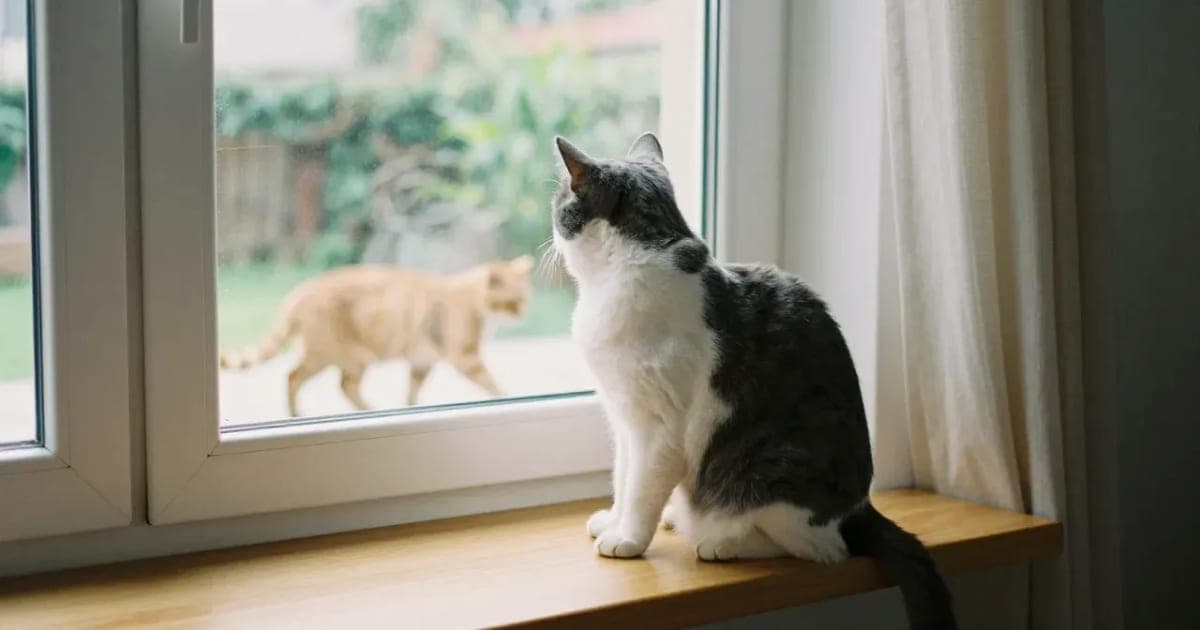
Seeing a neighborhood cat through the window is a classic trigger, according to the ASPCA. Marks often appear near windows and doors.
Changes at home
A move, a new pet, a new baby, renovations or a new schedule can all trigger marking. The ASPCA describes this kind of marking as usually anxiety-based rather than hostile.
What the location of the marks tells you
Where a cat sprays is often a clue to why. Marks near windows and doors that face the street often point to outdoor cats. Marks along hallways, doorways and the edges of shared rooms can point to tension between cats in the home, since these are the routes cats use to move around. Marks on new furniture, bags or shoes often follow a change: a new object, a visitor or a new smell. The Merck table above lists doorways, windows, travel routes and new objects as typical marking spots.
Keep a simple log for a week or two: the date, the exact spot and, if you know, which cat. Patterns often appear quickly, and they tell you which of the steps below to focus on first.
How to stop cats from spraying: step by step
1. Check with your vet
The ASPCA recommends ruling out medical problems first. Urinary issues can cause both peeing and marking-like behavior, and your vet is also the person to discuss medication with later.
2. Neuter or spay
The ASPCA calls neutering or spaying a proven treatment for marking linked to hormones. It isn't a guarantee: Cornell notes that about 10% of neutered males and 5% of spayed females still spray. But for an intact cat, it's the most important step.
3. Find out which cat is spraying
In a multi-cat home, you may not know who's responsible. Options from Cornell and the ASPCA:
- Separate cats for short periods to see when marking stops.
- Ask your vet about fluorescein, a dye given by mouth that makes a cat's urine glow under UV light for about 24 hours.
- Use an inexpensive camera aimed at the marked spots.
4. Clean every mark properly
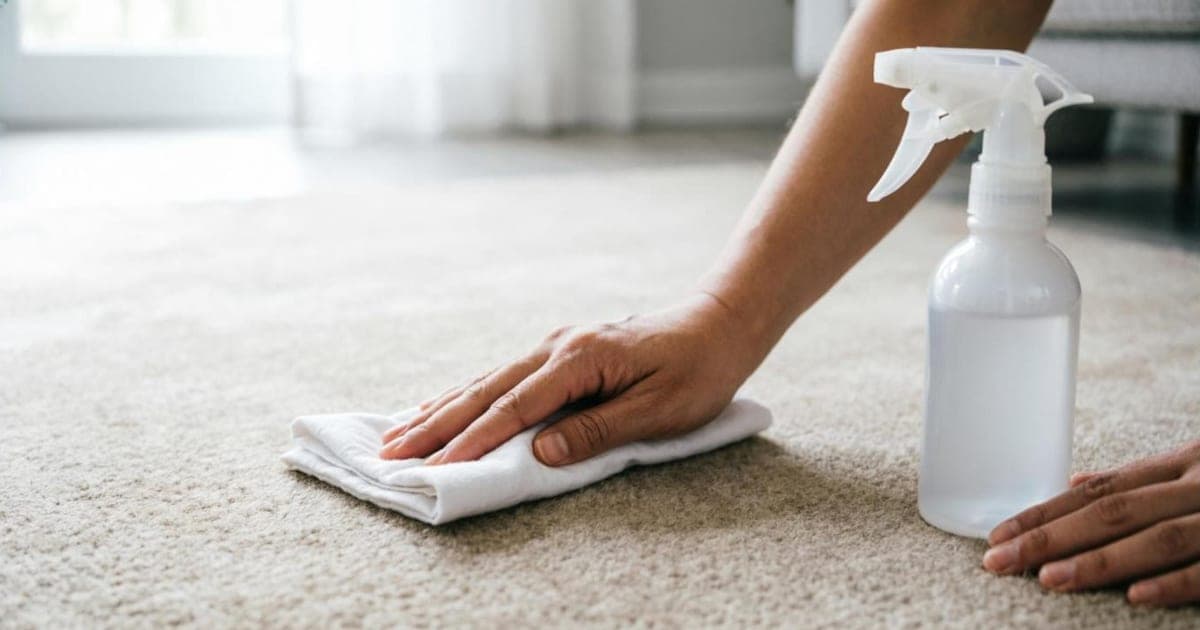
Cats return to spots that smell of urine. The ASPCA recommends an enzymatic cleaner designed for pet odors and warns against ammonia-based cleaners, which can draw a cat back. Use a UV blacklight to find old marks along walls, door frames and furniture. Our guide to removing cat urine smell from carpet explains the method step by step.
For a lower-waste approach, choose a concentrated or refillable enzymatic cleaner and washable cloths. Avoid fragranced sprays: they cover the smell for you, not for your cat.
5. Block the view of outdoor cats
The ASPCA suggests closing blinds, windows and doors, and using a motion-activated sprinkler outdoors to keep neighborhood cats away from your windows. Frosted window film on the lower part of the glass is another option that still lets light in.
6. Reduce competition between your cats
When resources are scarce, cats compete. The ASPCA recommends providing multiple perches, food and water stations, scratching posts and toys so cats can avoid each other, and playing with each cat individually.
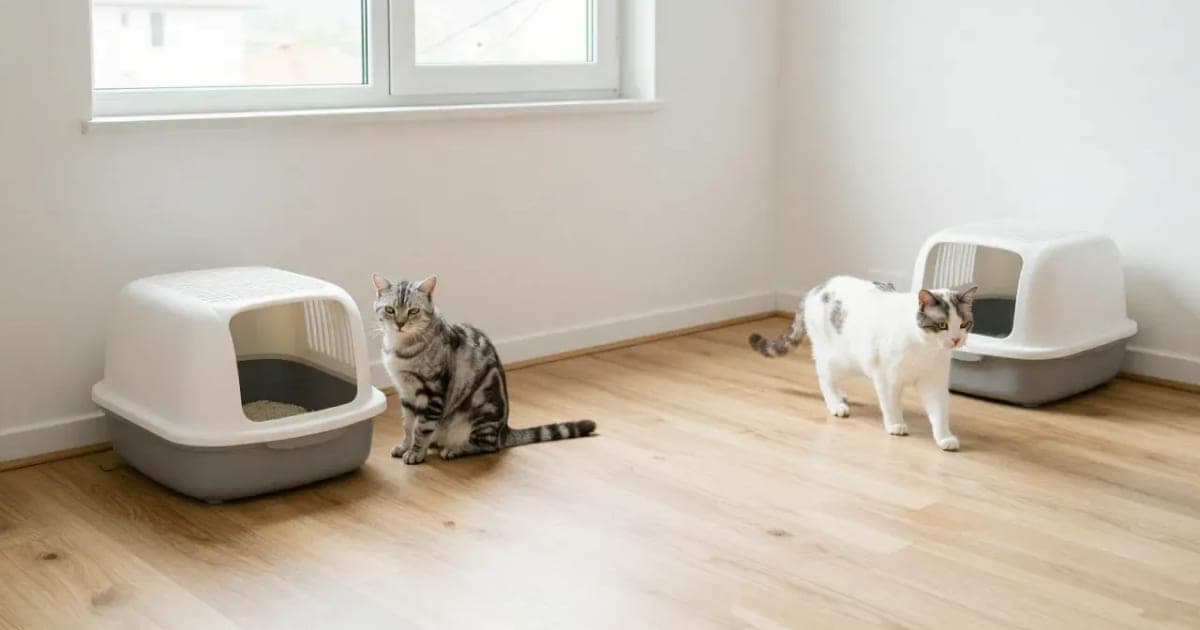
- Litter boxes: one per cat plus one, in different rooms. See litter box setup for multiple cats.
- Vertical space: shelves and a sturdy cat tree let cats pass without confrontation.
- Scratching posts: place them near doorways and in shared areas, where cats like to leave scent.
- Play: short daily sessions with a wand toy, ending with a small meal or treat.
7. Make marked spots less appealing
The ASPCA suggests putting food bowls, beds or toys where a cat has marked, since cats tend not to soil where they eat or sleep. For areas you can't change, foil or an upside-down carpet runner can help for a while.
8. Consider pheromones and professional help
The ASPCA mentions synthetic cat pheromone diffusers near marked areas. Results vary, so treat them as a support, not the main fix. Cornell notes that anti-anxiety medication is more likely to help with spraying than with other house-soiling. That decision belongs with your vet or a board-certified veterinary behaviorist.
What not to do
- Don't punish. The ASPCA warns against rubbing a cat's nose in urine or throwing things. Punishment adds stress, and stress drives marking.
- Don't use ammonia or heavily scented products to clean marks.
- Don't add a new cat while marking is ongoing unless you have time for a slow introduction.
When to expect results
Spraying linked to hormones often drops after neutering. Marking driven by tension usually improves gradually as resources are spread out and stress falls. Keep a simple log of where and when marks appear: it shows whether things are improving and helps your vet if you need extra help.
If you have several cats and want a structured plan, The Multi-Cat Litter Box Fix walks through spraying, litter box refusal and tension between cats, with a printable 30-day plan: get the guide. For cleaning, use our free Cat Pee Cleanup Checklist.
FAQ
How do I know if my cat is spraying or peeing? Spraying is a small amount of urine on a vertical surface, usually with the cat standing and its tail up. Peeing outside the box is a full puddle on a flat surface, with the cat squatting.
Do female cats spray? Yes. Cornell notes that unspayed females are the second most likely sprayers after intact males, and some spayed females spray too.
Does neutering stop spraying? Often, when the spraying is hormone-driven. The ASPCA calls it a proven treatment, but Cornell notes that around 10% of neutered males and 5% of spayed females still spray.
Why did my cat start spraying suddenly? Common triggers include a new cat, a cat seen outside the window, a move, renovations or a schedule change. A sudden change is also a good reason to see your vet.
What cleaner stops cats spraying in the same spot? An enzymatic cleaner made for pet urine, applied generously. Avoid ammonia-based cleaners, which can attract cats back.
Can medication help with spraying? Sometimes. Cornell notes that anti-anxiety medication is more likely to help with spraying than with other house-soiling. Discuss it with your vet.
Related reading: how to stop cats from peeing in the house, litter box setup for multiple cats, cat urine smell in carpet and our eco-friendly, pet-safe cleaning guide.
Part of our Eco-Friendly Cat Care guide — the complete Practical Eco Pet hub for sustainable cat litter, feeding, and enrichment.