How to Stop Cats From Peeing in the House (7 Real Causes)
Why cats pee outside the litter box, how to find the cause, and what to change first: health, box setup, cleaning and stress between cats.
Last updated October 18, 2026. Reviewed and fact-checked by the Practical Eco Pet team.
On this page
Finding a puddle on the rug, the bed or a pile of laundry is one of the most frustrating parts of living with a cat. It's tempting to read it as spite. It isn't. The AAFP and ISFM house-soiling guidelines are clear that a cat peeing outside the litter box is not acting out of anger toward you: it is a sign that a physical, social or medical need isn't being met.
That's good news, because needs can be met. This guide walks through the seven most common reasons cats pee in the house, how to tell which one you're dealing with, and what to change, starting with the steps that matter most.
Quick answer: see your vet first, because pain and illness are common causes and a cat that strains with little or no urine is an emergency. Then fix the litter box setup (one box per cat plus one, large, uncovered, unscented litter, scooped daily, in quiet spots), clean every soiled area with an enzymatic cleaner, and reduce stress, especially tension between cats in a multi-cat home.
How common is peeing outside the box?
House-soiling is one of the most common behavior problems cat owners report. The ASPCA estimates that roughly 10% of cats eliminate outside the litter box at some point. It's frequent enough that veterinary bodies have published dedicated guidelines on it, and in most cases it can be improved once the cause is found.
The 7 most common causes at a glance
| Cause | Typical clues | First thing to do |
|---|---|---|
| Health problem | Small, frequent pees, straining, blood, crying, peeing on cool surfaces | Vet visit (urgent if straining with little urine) |
| Too few boxes | Accidents near the box, boxes always busy | One box per cat, plus one |
| Box in the wrong place | Box near noisy appliances, food or a dead end | Move to a quiet spot with two exits |
| Dirty or scented box | Accidents when scooping slips | Scoop daily, use unscented litter |
| Wrong box or litter | Small or covered box, deep litter, older cat | Larger, open box with low entry |
| Old urine smells | Repeat accidents in the same spot | Enzymatic cleaner, never ammonia |
| Stress or tension | New pet, move, cats staring or blocking | More resources, play, calmer routine |
1. A health problem
Start here, every time. Cornell's Feline Health Center lists urinary tract inflammation, kidney disease, thyroid disease and diabetes among the conditions that can lead to house-soiling, along with age-related problems that make it hard to reach the box in time. It also notes that cats with medical conditions don't always look sick.
Signs of lower urinary tract disease include straining, crying while peeing, peeing more often, blood in the urine, frequent licking of the genital area, and peeing outside the box, according to Cornell's page on feline lower urinary tract disease.
Emergency sign: a cat, especially a male, that keeps going to the box and produces little or no urine may have a blocked urethra. Cornell describes this as a medical emergency that can become fatal within 24 to 48 hours. Call a vet right away.
Even once a medical problem is treated, a cat that associated the box with pain may keep avoiding it. That's why the steps below still matter.
2. Too few litter boxes
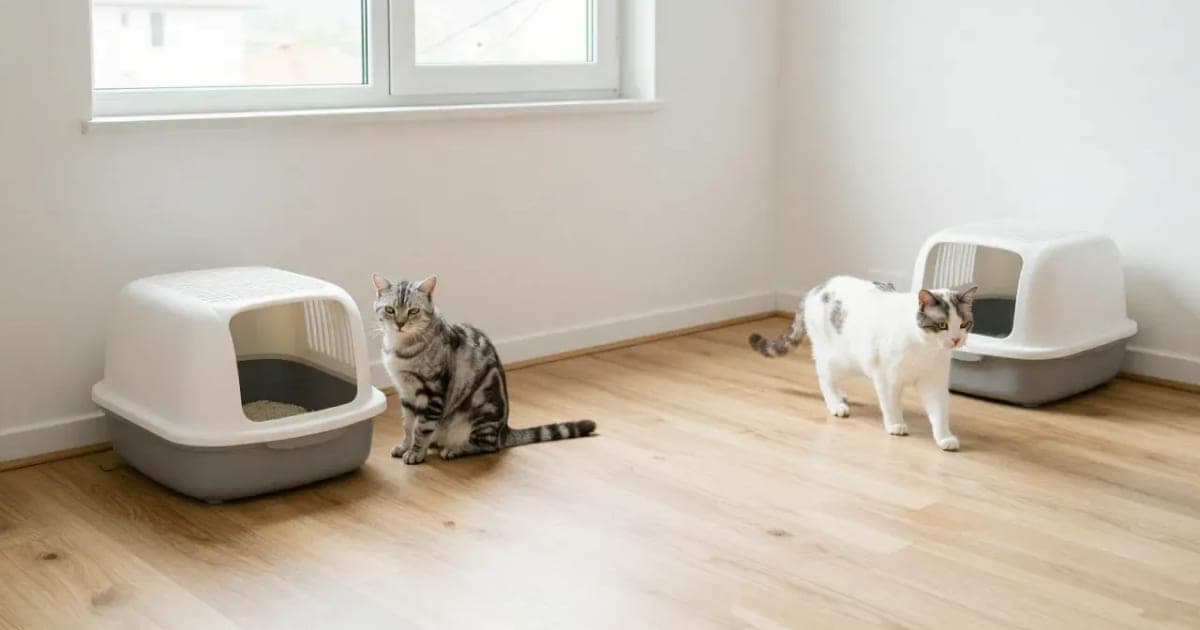
Cornell's recommendation is simple: as many boxes as there are cats, plus one. Two cats need three boxes, three cats need four. Many cats prefer not to use a box another cat has just used, and in a busy household a single box fills up fast.
If you have more than one cat, read our full guide to litter box setup for multiple cats, which covers how many boxes you need and where to put them.
3. A box in the wrong place
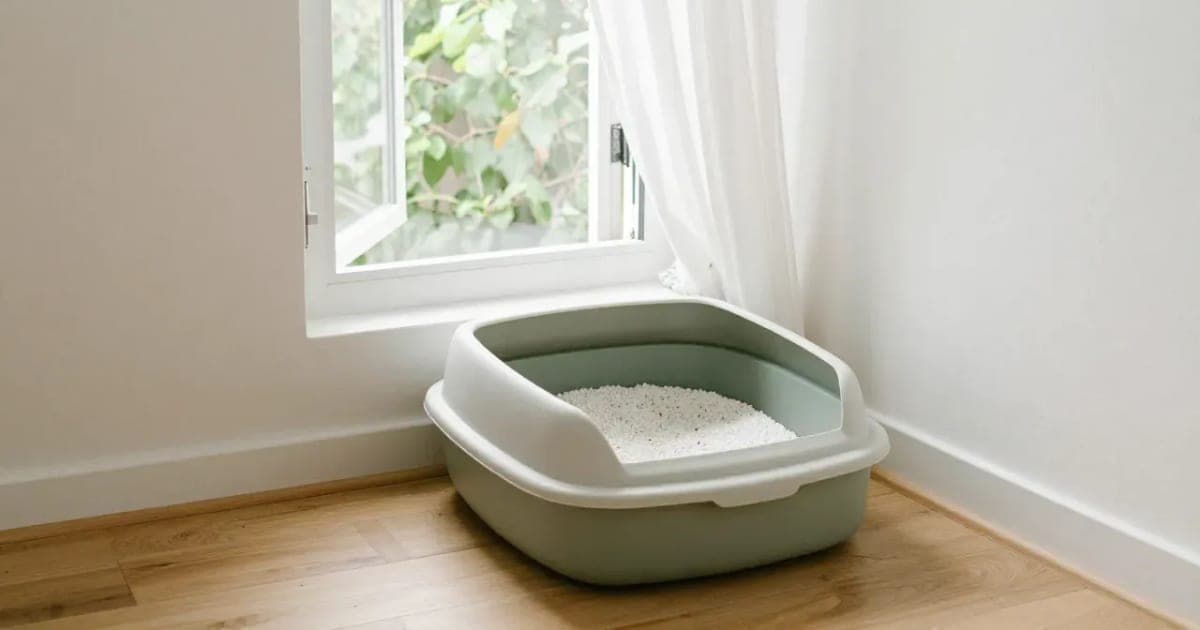
Location matters as much as number. The ASPCA's advice on litter box problems is to choose a quiet, low-traffic spot that isn't a dead end, where the cat can see who's coming and has more than one way out. Keep boxes away from washing machines and dryers, and away from food and water bowls. In a home with several floors, put a box on each level.
Short on space? Our guide on where to put a litter box in a studio apartment covers the spots that work and the ones to avoid.
4. A dirty or scented box
A box that seems fine to you may be too dirty for your cat. Cornell advises removing clumps and feces daily with clumping litter, and changing litter often enough that it stays dry and smells clean. Scented litters, deodorizing powders and air fresheners near the box can also put cats off.
For fragrance-free ways to keep a box fresh, see how to reduce litter box smell in a small apartment.
5. The wrong box or litter
Size is a common, overlooked problem. A study by Guy, Hopson and Vanderstichel (Litterbox size preference in domestic cats) found that cats preferred larger boxes. The ASPCA suggests a large plastic storage container as an alternative to a standard box.
Other details that matter:
- Covered boxes: Cornell notes that most cats prefer uncovered boxes that let them see around them. Covered boxes can also hold in odors.
- Low entry: kittens, older cats and cats with stiff joints need low sides.
- Litter: most cats prefer unscented, finer-textured litter, about 1 to 2 inches deep.
- Changing litter: switch gradually, mixing the new litter into the old, rather than changing everything at once.
If you're also looking for a lower-waste litter, compare options in our eco-friendly cat litter comparison.
6. Old urine smells
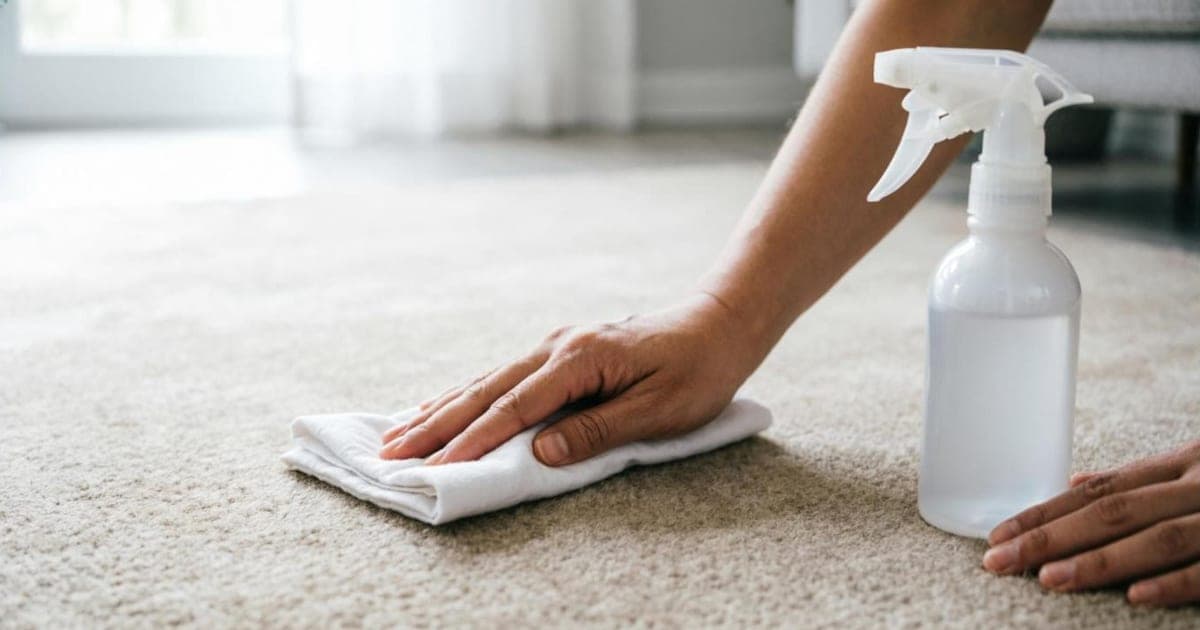
Cornell explains that odors must be neutralized, not just masked, because cats return to areas that smell of their own urine. The ASPCA recommends an enzymatic cleaner designed for pet odors and warns against ammonia-based cleaners: urine contains ammonia, so these products can draw a cat back to the same spot.
Our step-by-step guide to removing cat urine smell from carpet covers finding hidden stains, cleaning deep enough and drying properly.
7. Stress and tension
Changes like a move, a new pet, renovations or a new schedule can trigger house-soiling. So can conflict between cats. Cornell notes that stress appears to play an important role in feline idiopathic cystitis, the most common diagnosis in cats with urinary signs, and that environmental enrichment can reduce how often episodes happen.
In multi-cat homes, tension is often quiet: one cat blocks a hallway or stares at the box, and another stops using it. Spreading out food, water, scratching posts, beds and boxes means cats don't have to meet to use them.
If the urine is on walls or doors rather than the floor, you may be dealing with marking instead. See how to stop cats from spraying.
What not to do
- Don't punish your cat. The ASPCA advises against rubbing a cat's nose in urine or throwing things. It increases stress and can make the problem worse.
- Don't use ammonia cleaners or heavy fragrance to cover the smell.
- Don't change everything at once. Change one or two things at a time so you can see what works.
- Don't skip the vet. No box setup fixes bladder pain.
A simple order of action
- Book a vet visit, and keep a short log of where, when and (if you know) which cat.
- Clean every soiled spot with an enzymatic cleaner.
- Fix the boxes: number, size, location, litter and daily scooping.
- Reduce stress: steady routines, more resources, daily play.
- Give it a few weeks, and go back to your vet if nothing improves.
If you have more than one cat and want everything in one place, The Multi-Cat Litter Box Fix puts these steps into a printable 30-day plan: get the guide. For cleaning, grab our free Cat Pee Cleanup Checklist.
FAQ
Why is my cat suddenly peeing outside the litter box? A sudden change often points to a medical problem, such as bladder inflammation or a urinary infection, or to a recent change at home. See your vet first, then look at what has changed in the box, the litter or the household.
Is my cat peeing on the bed out of spite? No. The AAFP/ISFM guidelines state that house-soiling is not spite. Soft, absorbent surfaces like beds are common targets when a cat is avoiding the box or feels stressed.
Can stress make a cat pee in the house? Yes. Moves, new pets and conflict between cats are common triggers, and Cornell links stress to feline idiopathic cystitis, which can cause urinary signs.
How many litter boxes do I need? One per cat, plus one, placed in different spots rather than side by side.
What cleaner removes cat urine smell? An enzymatic cleaner made for pet urine, used generously and left to work. Avoid ammonia-based cleaners, which can attract cats back to the spot.
When is peeing outside the box an emergency? When a cat strains in the box and produces little or no urine, especially a male cat. That can mean a blocked urethra and needs immediate veterinary care.
For more practical help, see our guides to litter box setup for multiple cats, how to stop cats from spraying, removing cat urine smell from carpet and reducing litter box smell without fragrance.
Part of our Eco-Friendly Cat Care guide — the complete Practical Eco Pet hub for sustainable cat litter, feeding, and enrichment.