The Once-a-Year Deep Clean Checklist for Pet-Friendly, Eco Homes
A complete, room-by-room deep clean checklist for pet owners who want a genuinely fresh home once a year, using non-toxic, eco-friendly methods.
Last updated October 14, 2026. Reviewed and fact-checked by the Practical Eco Pet team.
On this page
Weekly vacuuming and wiping down counters keep a pet-friendly home functional, but they never quite reach the buildup that accumulates in corners, under furniture, and inside fabric that pets touch every day. Once a year, it is worth doing a genuine deep clean — one that resets your home's air quality, removes hidden allergens, and clears out the residue that ordinary cleaning misses. Because pets groom themselves, walk on every surface barefoot, and breathe closer to the floor than we do, the products and methods you choose for this deep clean matter more than they would in a pet-free household. This checklist walks through every room with eco-friendly, non-toxic options that are safe once surfaces are dry and pets are allowed back in.
Why an annual deep clean matters more with pets
Dander, shed fur, and tracked-in dirt settle into places a quick tidy-up never reaches: baseboards, vent covers, curtain hems, and the underside of rugs. Over months, this buildup can contribute to musty odors and worsen allergies for both pets and humans. A once-a-year reset also gives you a chance to inspect things you would otherwise overlook — a fraying pet bed seam, a scratched-up baseboard, or a mattress that has absorbed more pet hair than you realized. Doing this with conventional cleaners means introducing bleach, ammonia, or synthetic fragrance into a space where a dog or cat will immediately roll around and lick their paws. Choosing enzyme-based, plant-derived, or simple vinegar-and-baking-soda alternatives avoids that trade-off entirely — for the full reasoning behind each ingredient choice below, see our complete eco-friendly, pet-safe cleaning guide.
What you will need
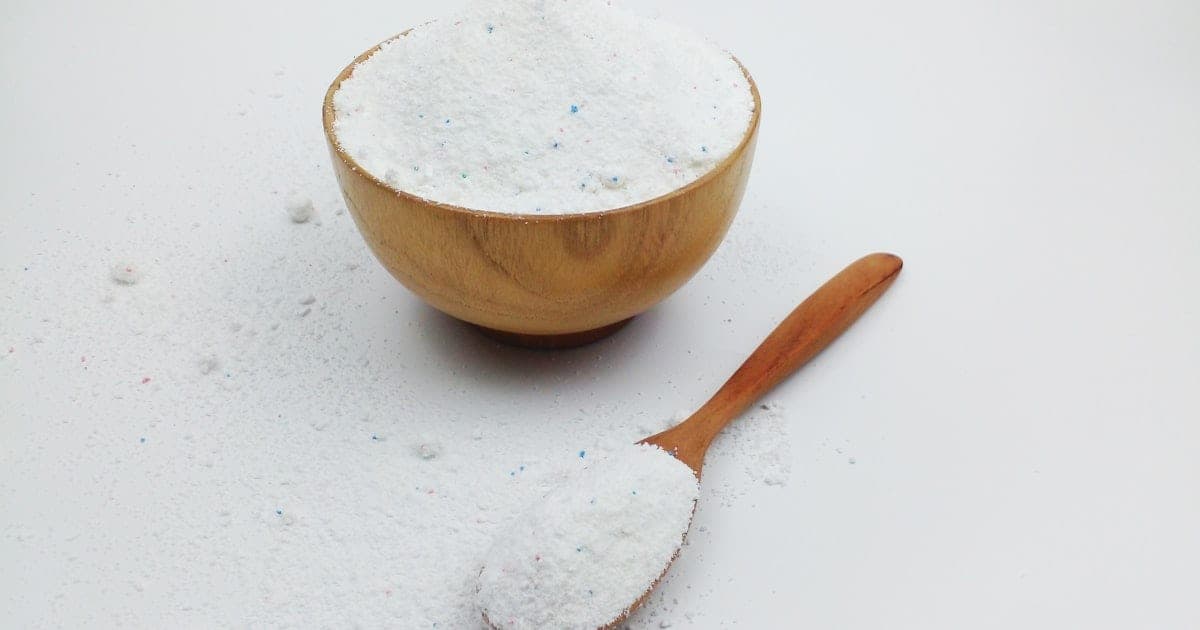
- Distilled white vinegar and baking soda (an effective, pet-safe combination for odor and grease)
- A castile soap–based all-purpose cleaner, unscented or lightly scented with pet-safe essential oils
- An enzyme cleaner formulated for pet stains and odors
- Microfiber cloths (reusable, fewer chemicals needed per wipe)
- A vacuum with a HEPA filter and an upholstery attachment
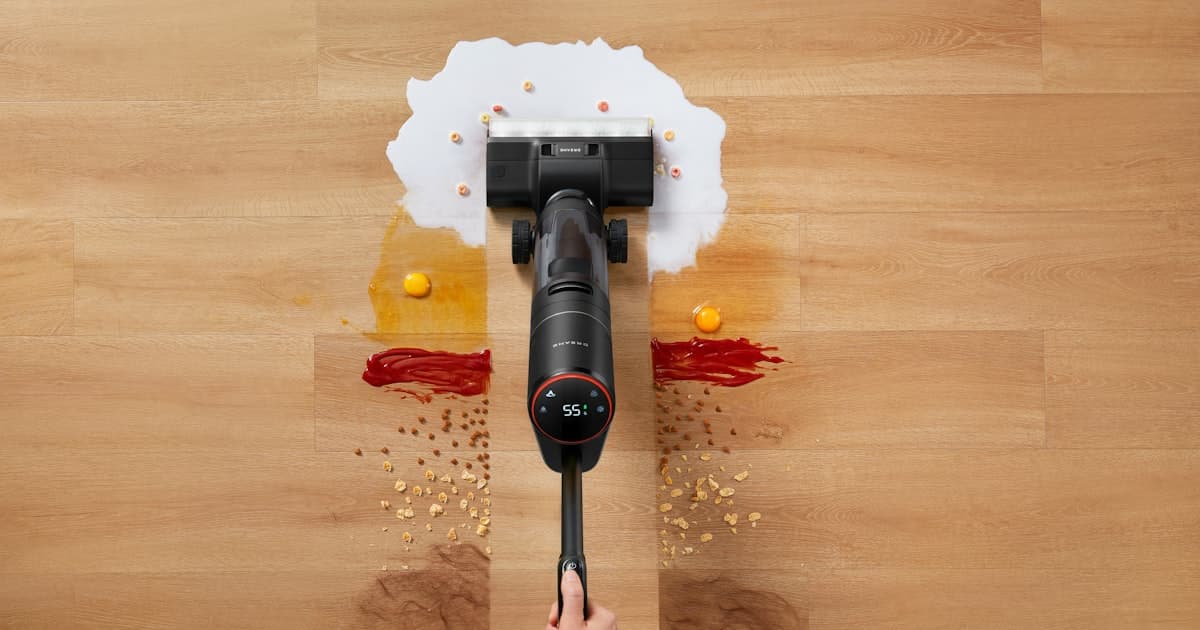
- A steam cleaner or handheld steamer, if available, for chemical-free sanitizing
Living room and shared spaces
Start with fabric. Pull cushions off the sofa and vacuum every seam, then follow with a steam pass if the fabric allows it — steam cleaning has been shown in peer-reviewed research to eliminate dust mites in treated carpet (Colloff, Taylor & Merrett — Clinical & Experimental Allergy, 1995) and lifts embedded dander without any chemical residue. Wash removable covers and pet blankets on the hottest safe setting. Move furniture away from the walls and vacuum the baseboards and corners behind it, an area that traps an outsized share of shed fur. Wipe down hard surfaces, including TV stands and shelving, with a diluted castile soap solution, and finish by vacuuming rugs on both sides if they are light enough to flip.
Kitchen
Pet bowls and feeding mats deserve more than a rinse once a year. Soak stainless steel bowls in a vinegar-water solution to break down mineral film, and scrub feeding mats with castile soap to remove grease that regular wiping leaves behind. Pull out the refrigerator and any cabinets pets can reach, since kibble crumbs and dust collect in gaps that are easy to forget. A baking soda paste works well on stovetop grease without introducing fumes into a room pets often nap in.
Bedrooms and pet sleeping areas
Wash pet beds, blankets, and any washable crate pads following their care labels, and make sure everything is completely dry before it goes back into use — line-drying outdoors on a dry day saves running the dryer. Vacuum mattresses (yours and any pet furniture) with an upholstery attachment, focusing on seams where pet hair accumulates. If a pet bed's stuffing has flattened or developed a persistent odor an enzyme cleaner can't fully remove, this annual check is the right moment to replace it with a washable, natural-fiber option rather than waiting for it to become visibly worn. The same annual reset applies to small-pet habitats — see our compostable small-pet litter comparison and our small-pet bedding comparison for a full cage clean-out that goes beyond a routine litter or bedding change — and while you're at it, our enclosure placement checklist is worth revisiting too, in case the room's conditions have changed.
Floors and hard-to-reach corners
Move every piece of furniture at least once this year, even the pieces you never normally shift. Vacuum thoroughly, then mop hard floors with a vinegar-water solution, which cleans effectively without leaving a chemical film pets could later lick off their paws. For carpets, a steam clean once a year removes embedded dirt and neutralizes odor at the fiber level far better than surface vacuuming ever can.
Air quality and textiles
Wash or vacuum curtains and blinds, both of which trap dander and dust more than most people expect. Replace HVAC filters, and if your vacuum has a HEPA filter, check whether it needs cleaning or replacing after a year of heavy pet-hair use. Sprinkling baking soda on carpets and rugs before vacuuming helps lift ground-in odor without needing a fragranced spray. This is also a good moment to check whether your flea and tick prevention routine has kept pace — see our natural flea and tick prevention comparison.
A simple room-by-room checklist
- Living room: cushions, upholstery seams, baseboards behind furniture, rugs (both sides)
- Kitchen: pet bowls, feeding mats, cabinet gaps, under the refrigerator
- Bedrooms: pet beds, mattresses, crate pads, closet floors
- Floors: full furniture move, mop or steam-clean every hard surface and carpet
- Air & textiles: curtains, blinds, HVAC filters, vacuum filter
Keeping it low-cost and low-waste
None of the products above require anything exotic. Vinegar, baking soda, and castile soap cost a fraction of specialty pet-cleaning sprays and work just as well, if not better, on the areas that build up over a year. Reusable microfiber cloths replace the need for disposable wipes entirely, which keeps this deep clean both budget-friendly and aligned with a low-waste household. The same low-waste thinking applies to cleanup between deep cleans — see our compostable dog waste bags comparison for the few that genuinely break down at home.
Working outdoors too? See our guide to pet-safe weed killer options.
Part of our Pet-Safe Home guide — the complete Practical Eco Pet hub for non-toxic cleaning and a safer home and yard for pets.