Sustainable Dog Grooming: Palm Oil-Free Shampoo Bar vs Concentrate vs Bottle Compared
Palm-oil-free dog grooming products can be hard to verify. This guide explains what labels and brand disclosures can — and cannot — tell you before you buy.
Last updated October 15, 2026. Reviewed and fact-checked by the Practical Eco Pet team.
On this page
Palm oil derivatives show up in a surprising number of "natural" dog shampoos, often listed under names like sodium laureth sulfate or cetearyl alcohol, which can be derived from palm oil, rather than labeled as palm-derived. Many "eco" grooming brands swap one palm-based surfactant formulation for another without disclosing the actual palm-oil footprint, which makes it worth understanding the general trade-offs between shampoo formats before choosing one.
Shampoo bars, refillable concentrates, and standard bottles
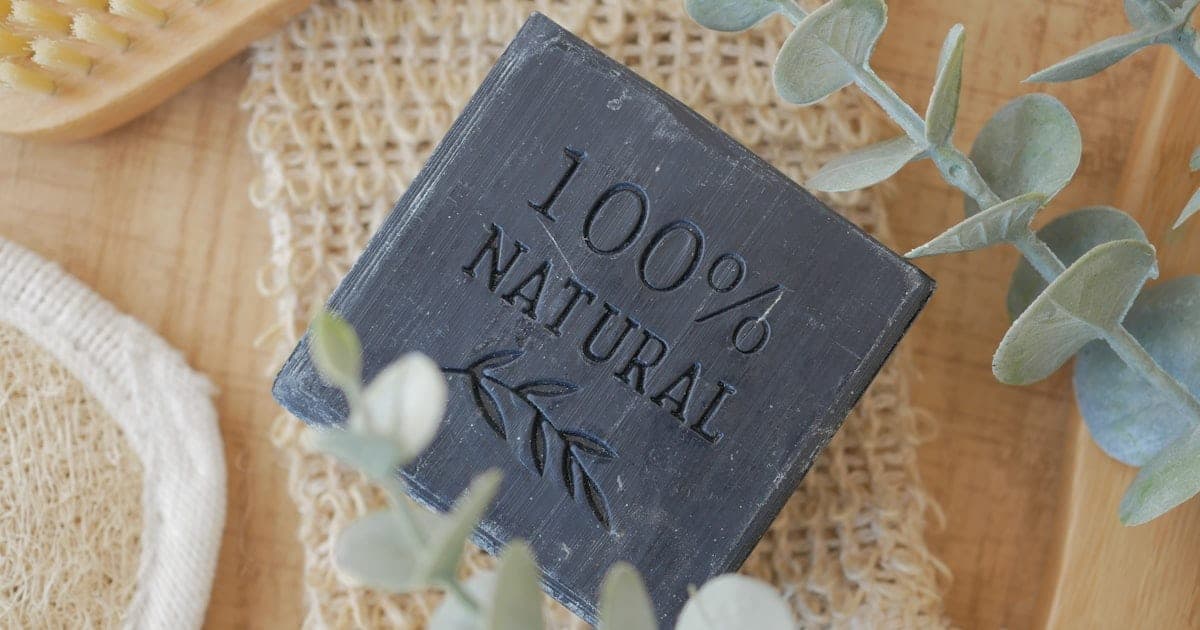
Solid shampoo bars, often coconut-oil-based, generally come with the least packaging, since they're typically wrapped in paper rather than sold in a plastic bottle. Check that a bar is made for dogs: the AKC notes that human skin has a normal pH of 5.5–5.6 while dogs' skin is more neutral, at 6.2–7.4, and that using human shampoo on dogs disrupts the skin's protective acid mantle (AKC).
Refillable liquid concentrates, often olive-oil-based, reduce plastic waste through reusable bottles paired with smaller refill pouches, which generally use less packaging material per wash than a full-sized single-use bottle.
Standard bottled shampoos often use surfactants such as sodium laureth sulfate, which can be palm-derived, and they generate ongoing single-use plastic waste with every bottle purchased.
Palm oil isn't inherently the problem — but certification matters
Palm oil itself isn't inherently unsustainable; RSPO (Roundtable on Sustainable Palm Oil) certification exists specifically to verify responsibly sourced palm oil. If a brand states an RSPO certificate number or member name, you can check it directly against RSPO's public member search rather than taking the claim at face value. The practical issue is that most mass-market dog shampoos don't disclose whether their palm-derived ingredients are RSPO-certified, which makes it hard for a shopper to verify the sourcing claim either way. If a brand doesn't disclose certification, avoiding palm-derived ingredients altogether is the more verifiable choice for an eco-conscious buyer.
Coat type is worth considering
Double-coated breeds generally need more thorough saturation to reach the undercoat during a bath, so a shampoo format that lathers easily and rinses cleanly can matter more for these breeds than for smooth or short-coated dogs. This is a reasonable factor to weigh when choosing between a bar, concentrate, or bottle, though individual product formulations vary.
Fragrance sensitivity
For dogs with known fragrance sensitivities, many shampoo bars and concentrates come in fragrance-free versions. If your dog has shown any skin sensitivity in the past, introducing a new shampoo format gradually and watching for redness or excessive scratching in the days after a bath is a reasonable precaution regardless of which product you choose.
Making the switch
If you already own a standard plastic bottle, using it up before switching to a bar or refillable concentrate avoids wasting a partially used product — a genuinely sustainable choice accounts for what you already have, not just what you buy next.
For related sustainable dog-care topics, see our natural flea and tick prevention guide. If fragrance sensitivity is a concern beyond shampoo too, our pet-safe cleaning guide covers which scented ingredients are worth avoiding around pets more broadly.
FAQ
Is palm oil always bad for the environment? Not inherently — RSPO-certified sustainable palm oil exists, but most mass-market dog shampoos don't disclose whether their palm-derived ingredients are certified, which makes avoidance the simpler choice for an eco-conscious buyer who can't verify sourcing.
Can I use a solid shampoo bar on a double-coated breed? Yes, as long as the bar is made for dogs — thorough saturation to reach the undercoat matters more than which format you use.
How long does a solid shampoo bar actually last? This varies by bar size and dog size, but a standard bar is generally marketed to last several dozen washes for a medium dog — check the specific product's guidance for an estimate.
Are fragrance-free versions just as effective? We didn't find independent comparisons. Fragrance isn't the ingredient that cleans, though, and for a dog with known fragrance sensitivity a fragrance-free version is the simpler choice — ask your vet if your dog's skin reacts to a shampoo.
Sustainable choices extend past what's on your dog's coat to what's in the bowl too — see our insect vs. meat dog food footprint guide if you're rethinking the rest of a dog's environmental footprint.
Part of our Eco-Friendly Dog Care guide — the complete Practical Eco Pet hub for sustainable dog nutrition, health, and home gear.